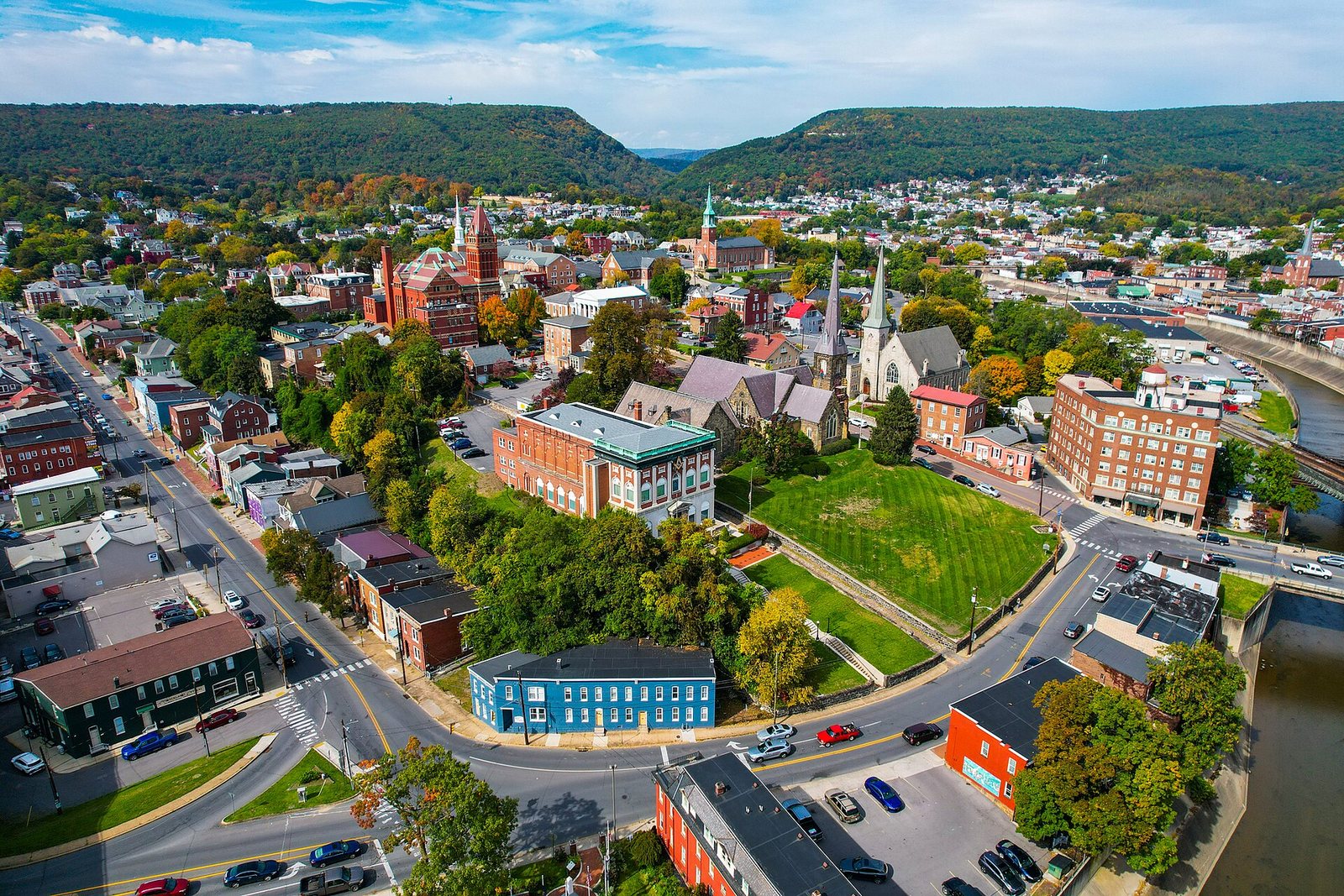
Drive west from Hagerstown on I-70 and I-68 and Maryland narrows to a strip of mountains barely a couple of miles wide at Hancock, then opens into long Appalachian ridges, coal towns and, finally, the high plateau around Deep Creek Lake. That’s Western Maryland: three counties, a steam-era railroad, the end of the C&O Canal and the start of a bike trail to Pittsburgh, and the first fall color in the state. It’s one of the least-visited regions of Maryland, which is most of its charm.
Short answer: Western Maryland means Washington, Allegany and Garrett counties. Base yourself in Cumberland for the railroad, the canal and the Great Allegheny Passage, in Hagerstown for the Civil War sites and the free art museum, or at Deep Creek Lake for the mountains. Come in mid-October for peak color or in summer for the lakes, and check the Western Maryland Scenic Railroad’s steam schedule before you plan around No. 1309.
Fares, fees, hours, reservation rules and closures on this page were checked September 23, 2026 against the operators’ and agencies’ own websites.
On this page: What counts as Western Maryland · What it’s known for · Getting there · County by county · Cumberland · The scenic railroad · Frostburg · Hagerstown · Garrett County · Mountain towns · Outdoor adventures · Civil War history · State parks · Trails · Fall foliage · Four seasons · 2- and 4-day loops · Events · Practical tips · Where to stay · Where to eat · What to skip · FAQ
| At a glance | Details (checked September 2026) |
|---|---|
| What it is | Washington, Allegany and Garrett counties, from Hagerstown west to the West Virginia line |
| Main towns | Hagerstown, Hancock, Cumberland, Frostburg, Grantsville, Oakland, McHenry (Deep Creek Lake) |
| Drive from DC or Baltimore | Hagerstown about 1½ hours; Cumberland about 2¼ to 2¾ hours; Deep Creek Lake about 3 to 3½ hours |
| By train | Amtrak’s Capitol Limited stops at Cumberland |
| Signature ride | Western Maryland Scenic Railroad, Cumberland to Frostburg: coach $45 for adults, about 4½ hours round trip |
| Trails | C&O Canal towpath ends at Cumberland (mile 184.5); the Great Allegheny Passage runs 150 miles to Pittsburgh |
| Park reservations | Swallow Falls, Rocky Gap and Greenbrier need day-use reservations on summer weekends and holidays |
| Peak fall color | Usually mid-October in Garrett and Allegany, later in Washington County |
| Hotel tax | 8% in Allegany and Garrett counties |
What counts as Western Maryland?
Three counties, by the usual definition: Washington County (Hagerstown, Hancock, Williamsport, Boonsboro), Allegany County (Cumberland, Frostburg, Flintstone, Lonaconing) and Garrett County (Oakland, Grantsville, McHenry and Deep Creek Lake). Some lists add Frederick County, but Frederick behaves more like the Washington suburbs than like the mountains, and it has its own guide on this site.
Geographically, this is the Appalachian part of Maryland: long parallel ridges in Washington and Allegany counties, then the Allegheny Plateau in Garrett, where Backbone Mountain tops out at 3,360 feet, the highest point in the state, and the Eastern Continental Divide runs through. At Hancock, Maryland is squeezed to a sliver between Pennsylvania and the Potomac River, so thin you can walk across the state in a lunch break.
Historically, it’s the old gateway west. George Washington knew Cumberland as Fort Cumberland in the French and Indian War; the National Road, the country’s first federally funded highway, started there in 1811; and the C&O Canal and the B&O Railroad raced each other up the Potomac to reach it. Coal, railroads and glass kept the towns busy into the 20th century, and the brick downtowns they built are still there.
Go for: mountain scenery and fall color, the scenic railroad, the C&O Canal and the Great Allegheny Passage, Deep Creek Lake, quiet state parks and Civil War history near Hagerstown.
Skip it if: you want a beach, nightlife or a car-free trip. Distances are long, towns are small, and restaurants close early outside summer weekends.
Best short trip: two nights in Cumberland with the railroad to Frostburg and a day on the towpath or at Rocky Gap.
What Western Maryland is known for
About a quarter of a million people live in the three counties, with Hagerstown the largest city, and the region’s identity comes from its geography. The Mason-Dixon Line forms its northern edge, the Potomac its southern one, and the mountains in between funneled everything heading west through a few gaps. That’s why the region is known for transportation history out of all proportion to its size: the National Road, begun at Cumberland in 1811 as the country’s first federally funded highway; the C&O Canal and the B&O Railroad, which started on the same day in 1828 and raced each other up the Potomac; and the railroads that carried Western Maryland coal to Baltimore’s harbor.
Today it’s known for the things visitors come for: fall color that arrives before anywhere else in the state, Deep Creek Lake and Wisp, the scenic railroad, the trails, and Civil War ground around Hagerstown. It’s also Maryland’s snow belt. Garrett County gets far more snow than Baltimore, which averages under 20 inches a season at BWI, and that snow is what keeps a ski resort running in a state better known for crabs.
How far is Western Maryland from DC and Baltimore?
Western Maryland is a road-trip region. I-70 runs from Baltimore and Frederick to Hagerstown and Hancock, where I-68 (the National Freeway) takes over to Cumberland, Frostburg and Garrett County. Free-flow driving times, rounded:
| Destination | From DC | From Baltimore | From Philadelphia | From Pittsburgh |
|---|---|---|---|---|
| Hagerstown | About 1½ hours | About 1¼ to 1½ hours | About 3 to 3½ hours | About 3 to 3½ hours |
| Cumberland | About 2¼ to 2¾ hours | About 2¼ to 2½ hours | About 4 to 4½ hours | About 2 to 2¼ hours |
| Rocky Gap State Park | About 2¼ to 2½ hours | About 2¼ to 2½ hours | About 4 to 4½ hours | About 2¼ to 2½ hours |
| Frostburg | About 2½ to 3 hours | About 2½ to 3 hours | About 4¼ to 4¾ hours | About 2 to 2¼ hours |
| Deep Creek Lake (McHenry) | About 3 to 3½ hours | About 3 to 3½ hours | About 4¾ to 5½ hours | About 2 hours |
Between towns, Hagerstown to Hancock is about half an hour, Hancock to Cumberland about 40 minutes, Cumberland to Frostburg under 20 minutes, and Frostburg to Deep Creek Lake about 40 to 45 minutes. Pittsburgh is closer to Garrett County than Baltimore is, which is why so many Deep Creek license plates are from Pennsylvania.
Without a car: Amtrak’s Capitol Limited stops at Cumberland on its Washington-Chicago run, and cyclists arrive on the Great Allegheny Passage from Pittsburgh or the C&O Canal towpath from Washington. Once you’re in Cumberland, the scenic railroad reaches Frostburg; beyond that you’ll want wheels.
Flying in: for Garrett and Allegany counties, Pittsburgh’s airport is often the practical choice, since the city is about 2 hours from Cumberland, Frostburg and Deep Creek Lake. For Hagerstown and Washington County, BWI and the Washington airports are closer. Either way, you’ll need a rental car once you land.
In winter, I-68 climbs to more than 2,000 feet in Garrett County and snow can come fast, so check road conditions before a December-to-March drive, and carry an ice scraper even if it’s sunny in Baltimore.
Western Maryland county by county
| County | Base town | Highlights | Price and hours (2026) | Best season |
|---|---|---|---|---|
| Washington | Hagerstown | Washington County Museum of Fine Arts, Fort Frederick, Washington Monument State Park, Antietam nearby, C&O Canal at Williamsport | Museum free; Antietam $20 per vehicle, cashless | April to June, September to November |
| Allegany | Cumberland | Scenic railroad, C&O Canal terminus, Great Allegheny Passage, Rocky Gap, Frostburg, Green Ridge State Forest | Railroad coach $45; Rocky Gap $4 per person on summer weekends ($6 out of state); Thrasher Carriage Museum Thursday to Sunday, noon to 3 p.m. | May to October; mid-October for color |
| Garrett | Oakland or McHenry | Deep Creek Lake, Wisp Resort, Swallow Falls, Herrington Manor, New Germany | Wisp lift tickets from $90.50; Swallow Falls $3 per person ($5 out of state) in summer | June to October; January and February for snow |
Cumberland: the Queen City at the end of the canal
Cumberland sits where Wills Creek cuts a gap through the mountains, the Narrows, and that gap made it a crossroads: first for Fort Cumberland, then for the National Road, the C&O Canal and the railroads. The canal, which starts in Georgetown, ends here at mile 184.5, and the Great Allegheny Passage bike trail picks up where it stops and runs 150 miles to Pittsburgh. Together they make one of the longest continuous car-free trails in the East, and Cumberland is the hinge.
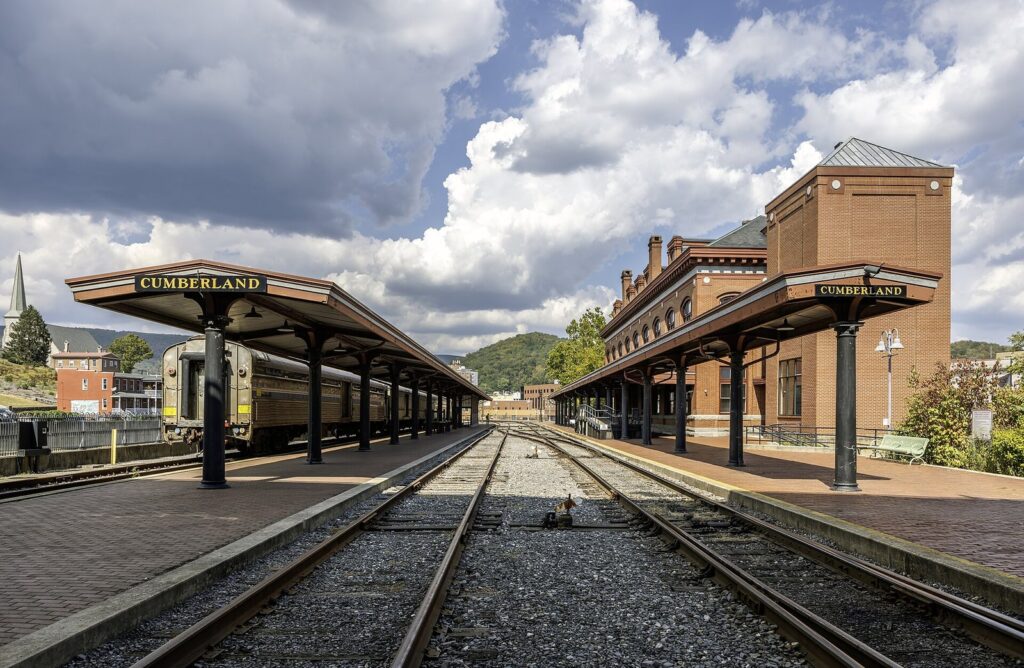
Start at Canal Place, the redeveloped canal basin downtown. The restored Western Maryland Railway Station there is where the scenic railroad boards, and the C&O Canal National Historical Park runs its Cumberland visitor center in town. From there, walk the downtown’s brick commercial blocks and the Washington Street historic district, a hill of big Victorian houses built by the coal and railroad money of the late 1800s. Small but worthwhile: George Washington’s Headquarters, a log cabin he used during the French and Indian War, and the Allegany Museum’s local history collections.
Just outside town, US 40 Alternate climbs through the Narrows toward LaVale, past a surviving 1830s tollgate house from the National Road, and on to Frostburg. Rocky Gap State Park, with its lake beaches and the Rocky Gap Casino Resort, is about 10 minutes east on I-68.
A walking route through Cumberland
Cumberland is compact enough to see on foot in a morning. Start at Canal Place and the railway station, where the towpath’s final mile and the start of the Great Allegheny Passage meet. Walk up Baltimore Street through the brick commercial district, then climb Washington Street past the Victorian mansions of the old coal and railroad elite and the churches on the hill where Fort Cumberland once stood. Finish at Riverside Park by Wills Creek, where George Washington’s Headquarters cabin sits, and loop back to the station. Allow two hours with stops, more if a train is boarding.
Plan it: Cumberland is about 2¼ to 2¾ hours from DC or Baltimore and about 2 hours from Pittsburgh. Two nights let you ride the railroad one day and bike or walk the towpath the next. Allegany County’s hotel tax is 8%.
The Western Maryland Scenic Railroad
The Western Maryland Scenic Railroad‘s Frostburg Flyer is the classic Western Maryland day out: a round trip of about 4½ hours from Cumberland up to Frostburg and back, climbing through the Narrows, around a big horseshoe bend known as Helmstetter’s Curve and through the Brush Tunnel, with a layover in Frostburg where the engine is turned on a turntable. Coach seats cost $45 for adults in 2026, and first-class and dining options cost more. The Flyer typically runs once a day, Thursday through Sunday, from spring through October, with extra trains for fall color and the holidays.
Will the train be pulled by steam?
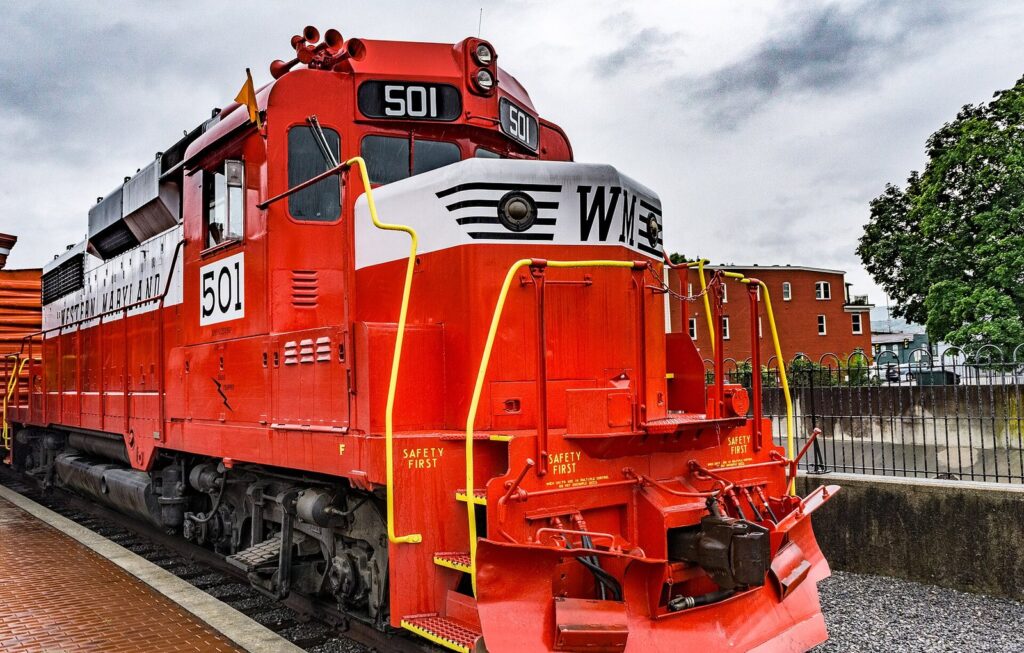
The star of the roster is No. 1309, a coal-fired 2-6-6-2 built in 1949, the last steam locomotive Baldwin built for a US railroad. It weighs about 643,000 pounds and runs nearly 100 feet long, and when it’s working the grades out of Cumberland, the whole valley hears it. But steam isn’t guaranteed. The railroad had planned 1309 for most 2026 weekends, yet in September 2026 its own pages said the locomotive was undergoing a routine Federal Railroad Administration inspection, with diesels pulling trains in the meantime. If steam is the point of your trip, confirm it with the railroad before you book.
Specialty trains
Beyond the Flyer, the railroad runs themed trips through the year: murder-mystery and moonshine dinner trains, family pizza trains, Easter trains, The Polar Express in the holiday season, and Hands-on-the-Throttle sessions where you can run a locomotive under supervision. October foliage trains and the Polar Express sell out first; book as soon as dates appear.
Plan it: bring a jacket in October (Frostburg is more than 1,000 feet higher and noticeably cooler than Cumberland), and use the layover to see the Thrasher Carriage Museum at the depot.
Frostburg: a college town on the old National Road
Frostburg, about 20 minutes west of Cumberland and more than 1,000 feet higher, is a small college town (Frostburg State University) strung along Main Street, which follows the route of the old National Road. The scenic railroad ends at the restored depot below town, which also houses the Thrasher Carriage Museum, one of the country’s leading collections of horse-drawn vehicles, open Thursday through Sunday from noon to 3 p.m. and by appointment through the Allegany Museum. The Great Allegheny Passage passes the depot too, so cyclists, rail riders and students all end up on Main Street for lunch and coffee.
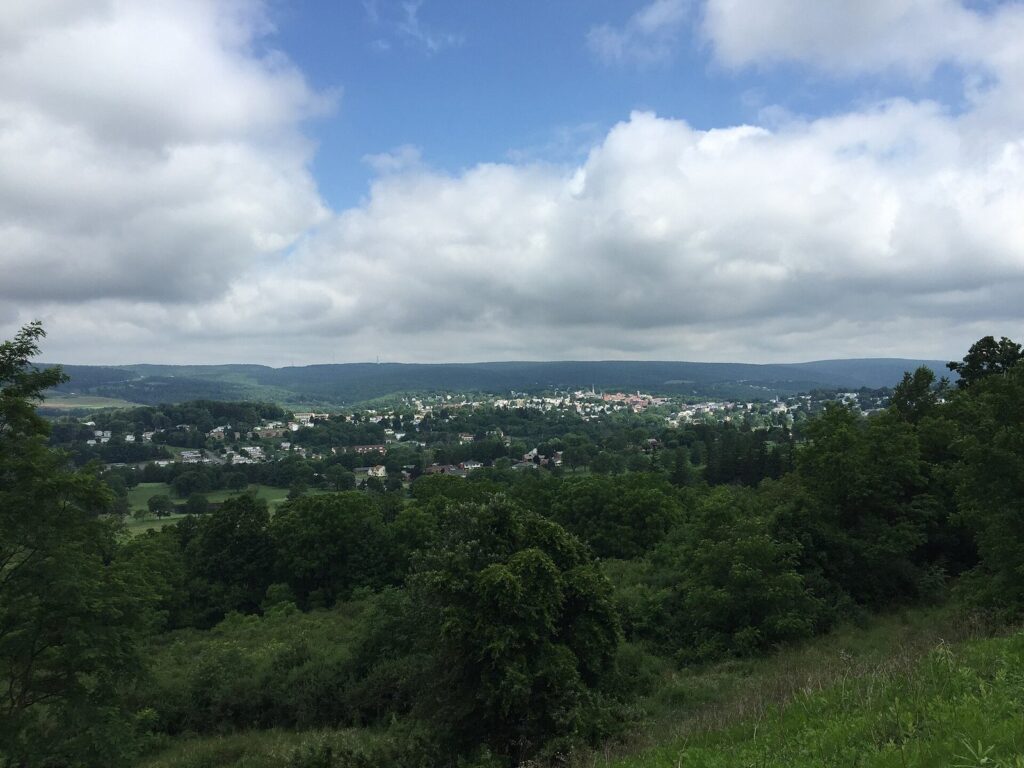
Nearby, Grantsville (about 20 minutes farther west) has the stone-arch Casselman River Bridge of 1813 and 1814 and a cluster of craft shops, and Lonaconing, south down the Georges Creek valley, keeps an 1830s iron furnace. These are 30-minute stops rather than destinations, but they’re what makes a slow drive west on US 40 Alternate better than the interstate.
Plan it: ride the railroad from Cumberland and spend the layover in Frostburg, or drive up and combine Frostburg with Grantsville on the way to Deep Creek Lake. Frostburg is about 2 hours from Pittsburgh and 2½ to 3 hours from DC or Baltimore.
Hagerstown and Washington County
Hagerstown, the “Hub City,” grew up where roads and railroads crossed in the Great Valley, and it’s the gateway to Western Maryland from Baltimore, Washington and Pennsylvania. Its best free attraction is the Washington County Museum of Fine Arts in City Park, which has charged no admission for more than 90 years and fills eight galleries with American art (including Thomas Moran and Norman Rockwell), European works and world cultures. A walking path called the Cultural Trail links the museum to downtown’s arts district, where the historic downtown performing arts hall is home to the Maryland Symphony Orchestra and hosts touring shows, and Meritus Park brings professional baseball downtown.
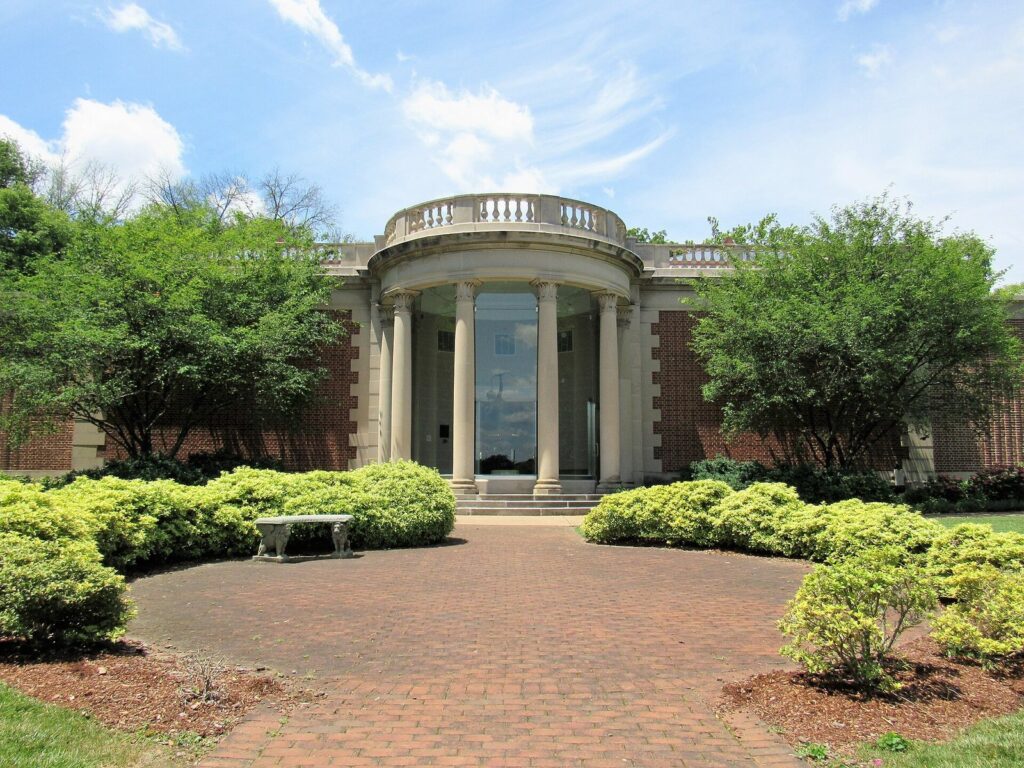
Hagerstown’s City Park is worth an hour even if art isn’t your thing: lakes with ducks and swans, shaded paths, and the Jonathan Hager House, the 1739 stone home of the German settler who founded the town, next to the museum. It’s the easiest picnic stop on I-81 or I-70.
Washington County’s real draws are outside town. Antietam National Battlefield, the site of the bloodiest single day in American history, is about half an hour south near Sharpsburg ($20 per vehicle, cashless), and our Antietam guide covers it in depth with the South Mountain battlefields. The C&O Canal runs the county’s whole southern edge, with a visitor center at Williamsport’s Cushwa Basin. Fort Frederick State Park near Big Pool preserves a stone fort from 1756, Washington Monument State Park above Boonsboro has the first completed monument to George Washington (1827), and Greenbrier State Park’s lake beach needs a reservation on summer weekends. At Hancock, the paved Western Maryland Rail Trail runs along the Potomac beside the canal.
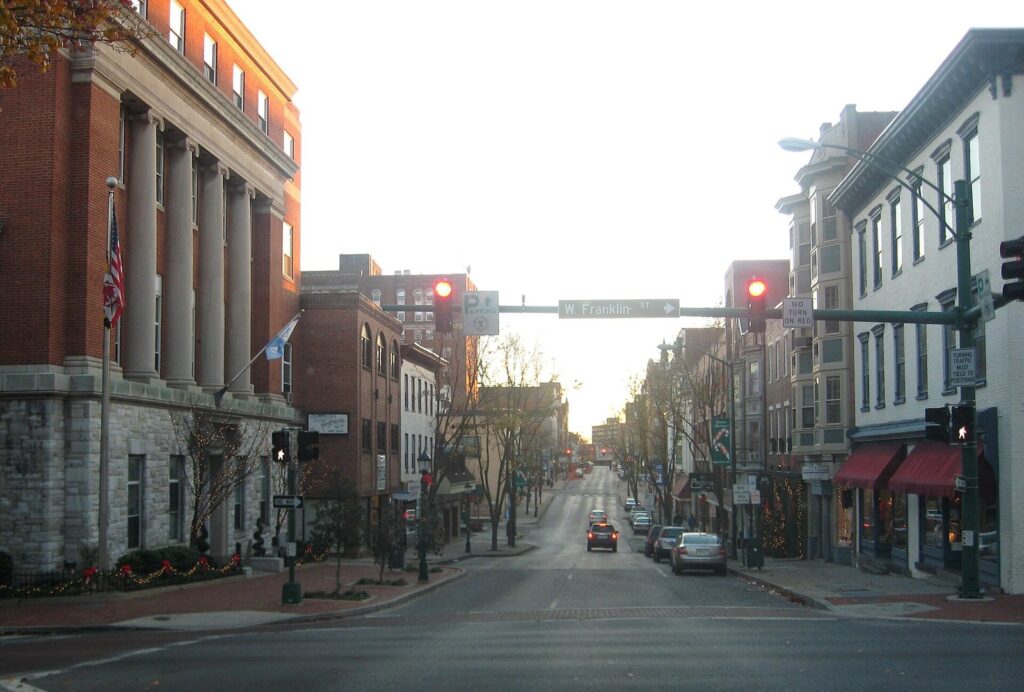
Plan it: Hagerstown is about 1½ hours from DC or Baltimore and makes the easiest overnight base for Antietam, the canal and the South Mountain parks. Boonsboro is about 20 minutes south.
Garrett County and Deep Creek Lake
Garrett County, Maryland’s westernmost, is the high country: a plateau around 2,500 feet with Deep Creek Lake at its center, snowy winters and the state’s earliest fall color. It draws about 1.4 million visitors a year and has more than 4,000 lodging bedrooms, most of them in rental houses around the lake. We cover the lake in depth in our Deep Creek Lake, Maryland guide, so here’s the short version:
- Deep Creek Lake is a 3,900-acre reservoir with about 65 miles of shoreline, built for hydropower in the 1920s. Boat rentals, a state park beach and lake houses fill the summer.
- Wisp Resort has 33 ski runs and 11 lifts from a 3,115-foot summit, with online lift tickets from $90.50 in 2026. It’s owned by Pacific Group Resorts, not Vail, and isn’t on the Epic Pass; its mountain coaster was closed until further notice and its whitewater course wasn’t operating in 2026.
- Swallow Falls State Park has Muddy Creek Falls, about 53 feet high and the tallest free-falling waterfall in Maryland. Summer weekends need a timed-entry reservation, and the main entrance road has been closed since March 9, 2026, for a bridge replacement, so check its status before you go.
- Oakland, the county seat, has a restored 1884 railroad station and hosts the Autumn Glory festival, which ran October 7 to 11 in 2026.
Garrett’s hotel tax is 8%. The Deep Creek Lake guide has boat-rental prices, the personal watercraft rules and where to stay.
Mountain towns worth a stop
Between the big bases, Western Maryland’s small towns are where the region’s character shows. The ones worth building into a route:
- Williamsport: a canal town on the Potomac with the C&O Canal’s Cushwa Basin visitor center and the Conococheague Aqueduct, rewatered in 2019 so canal boats can float across a creek on a stone bridge.
- Hancock: the narrow waist of Maryland, where the C&O Canal and the paved Western Maryland Rail Trail run side by side along the river; an easy place to rent a bike or break a drive.
- Boonsboro: a small town at the foot of South Mountain, handy for Washington Monument and Greenbrier state parks and Antietam.
- Flintstone: the gateway to Rocky Gap and Green Ridge State Forest, and little else, which is the appeal.
- Lonaconing: a Georges Creek coal town with an 1830s iron furnace, south of Frostburg.
- Grantsville: the Casselman River Bridge and the Spruce Forest Artisan Village, on US 40 Alternate west of Frostburg.
- Accident and Friendsville: Garrett County hamlets with memorable names and access to the Youghiogheny River, one of the East’s best-known whitewater runs.
- Oakland: Garrett’s county seat, with its 1884 railroad station and the October Autumn Glory festival.
Outdoor adventures beyond the lake
The mountains make Western Maryland the state’s adventure region. Whitewater paddlers know the Upper Youghiogheny near Friendsville, a demanding expert run fed by dam releases, and the Savage River, which hosted the 1989 world whitewater championships; outfitters run guided trips on easier water too. Anglers fish cold trout streams in Garrett and Allegany counties, and mountain bikers ride state forest roads and park trails. In winter, Wisp handles downhill skiing and snow tubing, and the cross-country trails at New Germany and Herrington Manor state parks come alive when snow falls. One 2026 note: Wisp’s artificial whitewater course was not operating this year, so book river trips on the real rivers instead.
For easier outdoor days, the rail trails are the region’s gift. The Great Allegheny Passage out of Cumberland, the C&O towpath through Paw Paw Tunnel and the Western Maryland Rail Trail at Hancock are all flat or gently graded, and bike rentals and shuttles cluster in Cumberland and Hancock.
Civil War history in Western Maryland
Washington County holds some of the most important Civil War ground in the East. On September 14, 1862, Union and Confederate armies fought for the passes of South Mountain, and three days later, on September 17, they met along Antietam Creek near Sharpsburg in the bloodiest single day in American history. The next summer, Robert E. Lee’s army retreated from Gettysburg through Hagerstown and across the Potomac at Williamsport. In July 1864, Confederate cavalry demanded a ransom from Hagerstown, and in February 1865, Confederate raiders slipped into Cumberland and captured two Union generals from their hotels. Antietam National Battlefield ($20 per vehicle) is the essential stop, and our Antietam guide covers it with the South Mountain battlefields in detail.
State parks and forests
Western Maryland has the state’s biggest public forests and some of its busiest mountain parks. The ones to know:
- Rocky Gap State Park near Cumberland: 243-acre Lake Habeeb with beaches, a campground and cabins, and the Rocky Gap Casino Resort on park land. Summer weekend entry was $4 per person ($6 out of state) in 2026 with a day-use reservation. A 2026 drought left the lake unseasonably low, so check the beach status in a dry late summer.
- Green Ridge State Forest east of Flintstone: backcountry dirt roads, overlooks and primitive campsites along the Potomac.
- Swallow Falls, Herrington Manor, New Germany and Deep Creek Lake state parks in Garrett County: waterfalls, lake beaches, log cabins and cross-country ski trails.
- Fort Frederick, Washington Monument and Greenbrier state parks in Washington County: a 1756 fort, an 1827 monument on the Appalachian Trail, and a lake beach.
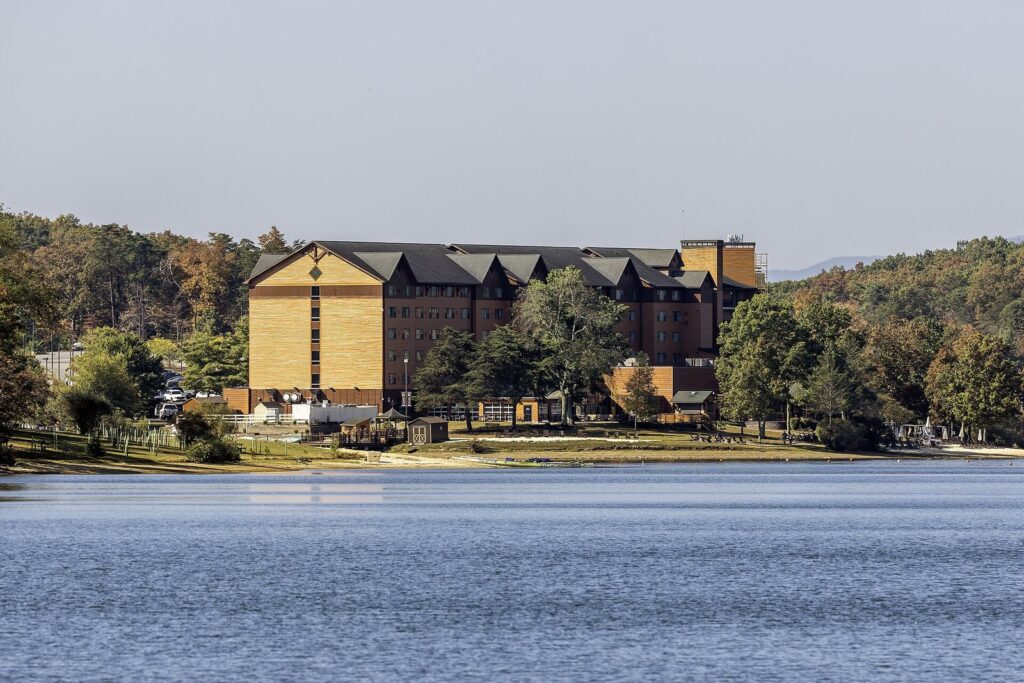
Reservations: Swallow Falls, Rocky Gap and Greenbrier are among the nine Maryland state parks that require a day-use reservation on weekends and holidays from Memorial Day weekend through Labor Day. Book up to seven days ahead at parkdayuse.maryland.gov for a fee of about $1.50; walk-ins and cyclists don’t need one. Our state parks guide has the full list and fees.
The Great Allegheny Passage and the C&O Canal towpath
Western Maryland is the meeting point of two of the country’s great long-distance trails. The C&O Canal towpath runs 184.5 miles from Georgetown in Washington to Cumberland, flat and unpaved, and the Great Allegheny Passage continues 150 miles from Cumberland to Pittsburgh on a smooth rail trail that climbs gently to the Eastern Continental Divide in Pennsylvania. Riding the whole 335 miles is a classic week-long bike trip, and Cumberland is where most riders spend a night in the middle.
For shorter outings, the towpath’s Paw Paw Tunnel in Allegany County (mile 155.2) is a 3,118-foot brick-lined tunnel you walk or bike through; check the National Park Service’s C&O Canal pages for its current status, and you’ll want a flashlight. The GAP between Cumberland and Frostburg climbs steadily beside the railroad tracks for about 15 miles, and the ride back down is an easy coast. Our hiking and biking guides cover the trails mile by mile.
Fall foliage in Western Maryland and statewide
Fall color reaches Maryland from the top down. Garrett County, the highest and coolest, turns first, then Allegany, then the ridges of Washington and Frederick counties, then the Piedmont around Baltimore and Washington, and finally the Eastern Shore and Southern Maryland. In the Department of Natural Resources’ 2025 reports, the first leaves were changing by October 2, Western Maryland reached peak around October 16, Garrett County was past peak by late October, and the Catoctin Mountain range and central counties peaked around October 30.
| Region | Typical peak | Where to see it |
|---|---|---|
| Garrett County | Early to mid-October | Swallow Falls, Herrington Manor, Deep Creek Lake, US 219 |
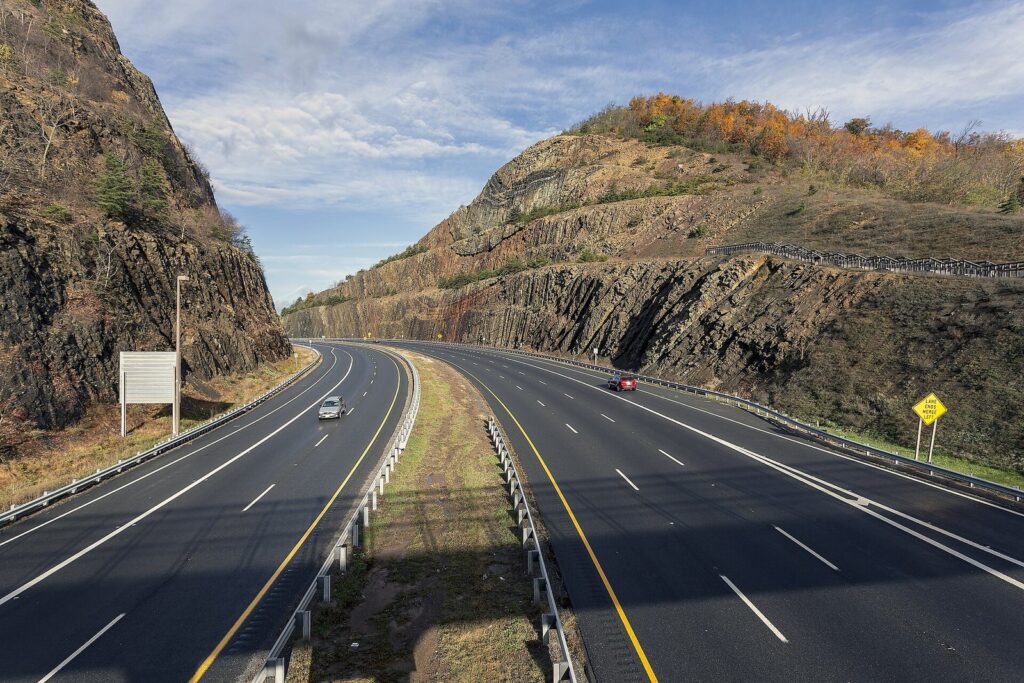
| Allegany County | Mid-October | The scenic railroad through the Narrows, Rocky Gap, Green Ridge, I-68 at Sideling Hill |
| Washington and Frederick counties | Mid- to late October | Washington Monument State Park, South Mountain, Catoctin Mountain, the C&O Canal |
| Central Maryland | Late October to early November | Patapsco Valley, Gunpowder Falls, the Piedmont horse country |
| Eastern Shore and Southern Maryland | Early to mid-November | Tuckahoe, Pocomoke River cypress, Blackwater’s marsh edges |
Two cautions. Dry summers change the show: in 2025, drought made maples turn early, with more browns and yellows than reds, and 2026 was dry in the west too. And timing moves from year to year by a week or more, so check DNR’s weekly fall foliage reports, which start in early October, before you book a peak weekend.
The best color drives: I-68 from Hancock to Cumberland over Sideling Hill; US 40 Alternate, the Historic National Road, from Cumberland through the Narrows to Frostburg and Grantsville; US 219 through Garrett County past Deep Creek Lake; and the scenic railroad’s foliage trains. October weekends are among the busiest of the year in Garrett and Allegany counties, so book rooms and train seats early, and try a Thursday or Sunday instead of a Saturday.
The best fall foliage drives and trips in Maryland
- Garrett County (early to mid-October): US 219 past Deep Creek Lake, Swallow Falls and Herrington Manor state parks, and Oakland’s Autumn Glory festival (October 7 to 11 in 2026).
- Allegany County (mid-October): the scenic railroad’s foliage trains, US 40 Alternate through the Narrows, and Rocky Gap’s lake loop.
- Washington County (mid- to late October): the view west from Washington Monument State Park, the C&O Canal towpath and the Antietam battlefield roads.
- Frederick County (late October): MD 77 over Catoctin Mountain between Thurmont and Smithsburg, with Cunningham Falls and Catoctin Mountain Park on the way.
- Central Maryland (late October to early November): the river valleys at Patapsco and Gunpowder Falls and the horse-country roads north of Baltimore.
For a single weekend that nearly always catches good color somewhere, go west in the second or third week of October: if Garrett is past peak, Allegany and Washington counties usually aren’t.
Western Maryland in four seasons
| Season | What it’s like | Best for | Watch out for |
|---|---|---|---|
| Spring (April to May) | Cool, green, late to warm up in Garrett | Waterfalls at full flow, canal rides, the railroad’s first trips | Snow can linger in Garrett into April; some attractions open late |
| Summer (June to August) | Warm days, cool nights in the mountains | Deep Creek Lake, state park beaches, biking the GAP | Summer weekend park reservations; thunderstorms |
| Fall (September to November) | Crisp and colorful | Foliage, foliage trains, festivals, hiking | October weekends book up; drought can mute color |
| Winter (December to March) | Cold and snowy in Garrett, milder in Hagerstown | Skiing at Wisp, cross-country skiing, holiday trains, cheap rooms | Snow on I-68 and US 219; some restaurants on reduced hours |
Two- and four-day loops along I-70 and I-68
Two days: Hagerstown to Cumberland
- Day 1: drive to Hagerstown (about 1½ hours from DC or Baltimore) for the Washington County Museum of Fine Arts, then south to Antietam for the afternoon, or west to Fort Frederick. Continue west on I-70 and I-68 past Sideling Hill to Cumberland (about 1¼ hours from Hagerstown) for dinner and the night.
- Day 2: ride the Frostburg Flyer (Thursday to Sunday), with the Thrasher Carriage Museum on the layover, then an hour at Canal Place or a swim at Rocky Gap before the drive home.
Four days: from the Great Valley to Deep Creek Lake
- Day 1, Hagerstown and Washington County: the art museum, Antietam and Washington Monument State Park.
- Day 2, Cumberland: the scenic railroad, or bike the GAP up to Frostburg.
- Day 3, Frostburg to Garrett County: Main Street in Frostburg, the Casselman River Bridge at Grantsville, then Swallow Falls (check the road) and Oakland; about 40 to 45 minutes from Frostburg to Deep Creek Lake.
- Day 4, Deep Creek Lake: a boat, a beach or Wisp, then home, about 3 to 3½ hours to DC or Baltimore, or 2 hours to Pittsburgh.
Events through the year
| When | What | Where | Good to know |
|---|---|---|---|
| December to March | Ski season | Wisp Resort, McHenry | Online lift tickets from $90.50 in 2026; not on the Epic Pass |
| Spring through October | Frostburg Flyer season | Cumberland to Frostburg | Thursday to Sunday; coach $45; steam only when No. 1309 is cleared |
| Memorial Day weekend to Labor Day | State park day-use reservations | Swallow Falls, Rocky Gap, Greenbrier | Weekends and holidays; book up to seven days ahead |
| July 4 | Fire on the Mountain fireworks | Wisp Resort | Sunday, July 4, 2027, with July 5 as the rain date |
| Early to mid-October | Autumn Glory festival | Oakland | October 7 to 11 in 2026; the region’s biggest fall weekend |
| October | Foliage trains | Western Maryland Scenic Railroad | The busiest trains of the year; book early |
| November and December | The Polar Express | Cumberland | Holiday trains sell out quickly |
Practical tips for the mountains
- No tolls, few services: I-70 and I-68 are free in Maryland, but gas stations and restaurants thin out on US 219, US 40 Alternate and the back roads. Fill up in Hagerstown, Hancock, Cumberland or Frostburg.
- Pack layers: Garrett County can be 10 degrees cooler than Baltimore, and fall mornings on the plateau are cold.
- Watch for wildlife: deer are on the roads at dawn and dusk, and black bears live in Garrett and Allegany counties, so lock food and coolers away at campsites and cabins.
- Plan for weak signal: cell coverage drops in the river valleys and state forests; download maps and tickets before you leave the interstate.
- Check the roads in winter: snow and ice can close back roads and slow I-68 on the higher ridges between Cumberland and the West Virginia line.
- Book the busy weekends early: October color, July 4 at Deep Creek and the holiday trains fill rooms and seats weeks ahead.
Where to stay and what it costs
- Cumberland: historic inns and B&Bs in the Washington Street area and chain hotels near I-68; the best base for the railroad and the trails.
- Rocky Gap Casino Resort: a lakeside resort on state park land with golf, about 10 minutes from Cumberland.
- Frostburg: small hotels and inns for cyclists and university visitors.
- Deep Creek Lake: rental houses (often with weekly minimums in summer), plus hotels and condos near Wisp.
- Hagerstown: plenty of chain hotels, handy for I-70 and I-81.
- State park cabins and campsites at Rocky Gap, Herrington Manor, New Germany and Deep Creek Lake, bookable up to a year ahead.
Hotel tax is 8% in Allegany and Garrett counties. Prices peak on October foliage weekends and summer weekends at the lake, and drop sharply midweek and in early spring. For a sense of the fixed costs: the Frostburg Flyer is $45 per adult in coach, Wisp lift tickets start at $90.50 online, Antietam is $20 per vehicle, and Rocky Gap or Swallow Falls cost $3 to $6 per person on summer weekends.
Where to eat in Western Maryland
Don’t expect a food scene like Baltimore’s; expect good small-town cooking, brewpubs and lake-house dinners. The practical guide: in Cumberland, eat downtown around Baltimore Street and Canal Place; in Frostburg, Main Street’s cafes and college-town spots are busiest when school is in; in Hagerstown, look downtown in the arts district; and at Deep Creek Lake, Mountain State Brewing Co. and the Pine Lodge Steakhouse in McHenry were both operating in 2026. Outside summer and October weekends, many places close early or skip a day or two midweek, so check hours before you drive in hungry. Our Deep Creek Lake guide has more restaurant picks for the lake.
What to skip
Skip a steam-only plan without checking. No. 1309 was in a federal inspection in September 2026; confirm steam before booking.
Skip Swallow Falls on a summer Saturday without a timed ticket, and check that the entrance road has reopened before you drive three-plus hours.
Skip a peak-foliage Saturday if you can. Thursdays, Fridays and Sundays have easier rooms and emptier overlooks.
Skip Western Maryland as a day trip beyond Hagerstown. Cumberland is 2¼ hours or more each way from the cities; give it a night.
Skip the interstate between Cumberland and Frostburg if you have time: US 40 Alternate through the Narrows is the prettier road.
Frequently asked questions
What is considered Western Maryland?
Western Maryland is usually defined as Washington, Allegany and Garrett counties, from Hagerstown west to the West Virginia line. Its main towns are Hagerstown, Hancock, Cumberland, Frostburg and Oakland, plus Deep Creek Lake. Some people include Frederick County, but its suburbs and city feel set it apart from the Appalachian ridges and the Garrett County plateau.
When do the leaves change in Western Maryland?
Usually from early October, with peak color in Garrett and Allegany counties around mid-October; in 2025, DNR reported Western Maryland at peak around October 16. Washington County’s ridges follow about a week later. A dry summer can bring early color with more browns, so check DNR’s weekly fall foliage reports before you book.
Is Western Maryland worth visiting?
Yes, for mountain scenery, fall color, the Western Maryland Scenic Railroad, the C&O Canal and Great Allegheny Passage, Deep Creek Lake and Civil War history around Hagerstown. It’s quieter and cheaper than the beach or Baltimore. It’s not for nightlife or a car-free trip, and it needs at least a night; Cumberland is more than two hours from DC and Baltimore.
What is Western Maryland known for?
Mountains and fall foliage, Deep Creek Lake and Wisp Resort, the Western Maryland Scenic Railroad and its steam engine No. 1309, Cumberland’s role as the end of the C&O Canal and the start of the National Road and the Great Allegheny Passage, Muddy Creek Falls, Maryland’s highest point on Backbone Mountain, and a coal-and-railroad history you can still see in its brick towns.
How far is Western Maryland from DC and Baltimore?
Hagerstown is about 1½ hours from either city on I-70. Cumberland is about 2¼ to 2¾ hours, Frostburg about 2½ to 3, and Deep Creek Lake about 3 to 3½ hours, via I-70 and I-68. Pittsburgh is closer to the far west: about 2 to 2¼ hours to Cumberland, Frostburg or Deep Creek Lake.
Where should you eat in Western Maryland?
Head for the downtowns: Baltimore Street and Canal Place in Cumberland, Main Street in Frostburg, and the arts district in Hagerstown. At Deep Creek Lake, Mountain State Brewing Co. and the Pine Lodge Steakhouse in McHenry were operating in 2026. Outside summer and October, many small-town restaurants keep short hours, so check before you go.
Does Western Maryland get snow?
Yes, far more than the rest of the state. Garrett County is Maryland’s snow belt, with enough natural snow in most winters for skiing at Wisp and cross-country skiing at New Germany and Herrington Manor state parks, while Baltimore averages under 20 inches a season. Hagerstown and Cumberland get less than the plateau. Check road conditions on I-68 and US 219 before a winter drive.
Can you visit Western Maryland without a car?
Partly. Amtrak’s Capitol Limited stops at Cumberland, the scenic railroad runs from Cumberland to Frostburg, and cyclists can arrive on the C&O Canal towpath from Washington or the Great Allegheny Passage from Pittsburgh. Beyond Cumberland and Frostburg, including Deep Creek Lake, Hagerstown’s sights and the state parks, you’ll need a car.
Related Maryland guides
Sources and verification
Everything on this page was checked on September 23, 2026 against the organizations listed below, and the guide is compiled from their published information rather than from first-hand visits.
- Western Maryland Scenic Railroad
- National Park Service: Chesapeake and Ohio Canal National Historical Park
- Allegany County Tourism (Mountain Maryland)
- Visit Hagerstown and Washington County
- Washington County Museum of Fine Arts
- Maryland Department of Natural Resources: state parks and fall foliage reports
Also consulted: the Allegany Museum (Thrasher Carriage Museum), Garrett County tourism, Wisp Resort, the Great Allegheny Passage, the National Park Service (Antietam), Amtrak, the Maryland Geological Survey and county tax offices. Drive times are free-flow estimates from OSRM and Valhalla routing.
Maryland Tourism Guide is an independent publication. It is not affiliated with Visit Maryland or any agency or business named here, and no one paid to be included.
Photo credits
- Cumberland from the air (featured image): photo by Matthew Binebrink, Wikimedia Commons (CC BY-SA 4.0)
- Sideling Hill road cut, I-68: photo by Acroterion, Wikimedia Commons (CC BY-SA 4.0)
- Western Maryland Railway Station, Cumberland: photo by Acroterion, Wikimedia Commons (CC BY-SA 4.0)
- Diesel No. 501, Western Maryland Scenic Railroad: photo by RandyMower, Wikimedia Commons (CC BY-SA 4.0)
- Frostburg: photo by Famartin, Wikimedia Commons (CC BY-SA 4.0)
- Washington County Museum of Fine Arts, Hagerstown: photo by Farragutful, Wikimedia Commons (CC BY-SA 4.0)
- Downtown Hagerstown: photo by Vpuliva, Wikimedia Commons (public domain)
- Lake Habeeb, Rocky Gap State Park: photo by Acroterion, Wikimedia Commons (CC BY-SA 4.0)